

When you feel overwhelmed by anxiety, your heart races, your breathing becomes shallow, and your mind spins. In these moments, telling yourself to “just calm down” rarely works. That’s because anxiety isn’t just in your head—it’s a physiological response happening throughout your entire body.
But what if you had a built-in reset button? A physical pathway you could activate to signal to your brain that you are safe?
Enter the vagus nerve. Understanding and learning to stimulate this remarkable nerve is one of the most powerful, evidence-based tools in modern psychology for managing anxiety, stress, and trauma.
What is the Vagus Nerve?
The vagus nerve (cranial nerve X) is the longest and most complex of the cranial nerves. The word “vagus” means “wanderer” in Latin, which is fitting because this nerve wanders from your brainstem all the way down through your neck, chest, and abdomen, connecting your brain to almost every major organ, including your heart, lungs, and digestive tract.

Crucially, the vagus nerve is the main component of your parasympathetic nervous system—the “rest and digest” system that counteracts your sympathetic nervous system’s “fight or flight” response.
The Information Superhighway
We often think of the brain sending commands down to the body. However, approximately 80% of the nerve fibers in the vagus nerve are afferent, meaning they send information from the body up to the brain. When your heart rate slows and your breathing deepens, your vagus nerve tells your brain, “The environment is safe. You can relax.”
Vagal Tone: Your Stress Resilience Metric
The strength and efficiency of your vagus nerve is referred to as your vagal tone.

- High Vagal Tone: Your body can quickly relax after a stressful event. You have better emotional regulation, lower resting heart rate, and greater resilience to anxiety.
- Low Vagal Tone: Your body struggles to turn off the stress response. You may experience chronic anxiety, digestive issues, inflammation, and difficulty returning to your Window of Tolerance.
The good news? Just like a muscle, you can strengthen your vagal tone through targeted exercises.
5 Ways to Stimulate Your Vagus Nerve for Immediate Relief
When you feel a panic attack or severe anxiety building, you can manually stimulate your vagus nerve to trigger the relaxation response. Here are five evidence-based techniques:

1. Deep, Slow Diaphragmatic Breathing
The vagus nerve passes directly through your diaphragm. When you take deep belly breaths, you physically massage the nerve. The key is to make your exhale longer than your inhale. Try the 4-7-8 method: inhale for 4 seconds, hold for 7, and exhale slowly for 8 seconds.
2. Cold Exposure (The Mammalian Dive Reflex)
Splashing cold water on your face, or holding a ziplock bag of ice against your eyes and cheeks for 30 seconds, triggers the “mammalian dive reflex.” This ancient physiological response immediately slows your heart rate and activates the vagus nerve to conserve oxygen.
3. Humming, Singing, or Chanting
The vagus nerve is connected to your vocal cords and the muscles at the back of your throat. Humming, singing loudly, or chanting (like the traditional “Om”) creates vibrations that stimulate the nerve. This is why sighing or groaning often feels naturally relieving when we are stressed.
4. The Valsalva Maneuver
This involves attempting to exhale forcefully while keeping your mouth and nose closed (similar to how you might “pop” your ears on an airplane). Hold this pressure for 10-15 seconds. This increases pressure in the chest cavity, which stimulates the vagus nerve and slows the heart rate.
5. Gentle Neck Massage and Stretching
Because the vagus nerve runs down the sides of your neck, gentle massage in this area can be stimulating. Additionally, simple neck stretches—like looking straight ahead while tilting your right ear to your right shoulder, and holding until you feel a sigh or swallow—can release tension around the nerve.
Integrating Vagal Toning into Therapy
While these techniques offer immediate relief, addressing the root causes of chronic anxiety often requires professional support. At Mind Health, our psychologists integrate nervous system regulation techniques with evidence-based therapies like Cognitive Behavioural Therapy (CBT) and EMDR to help you build long-term resilience.
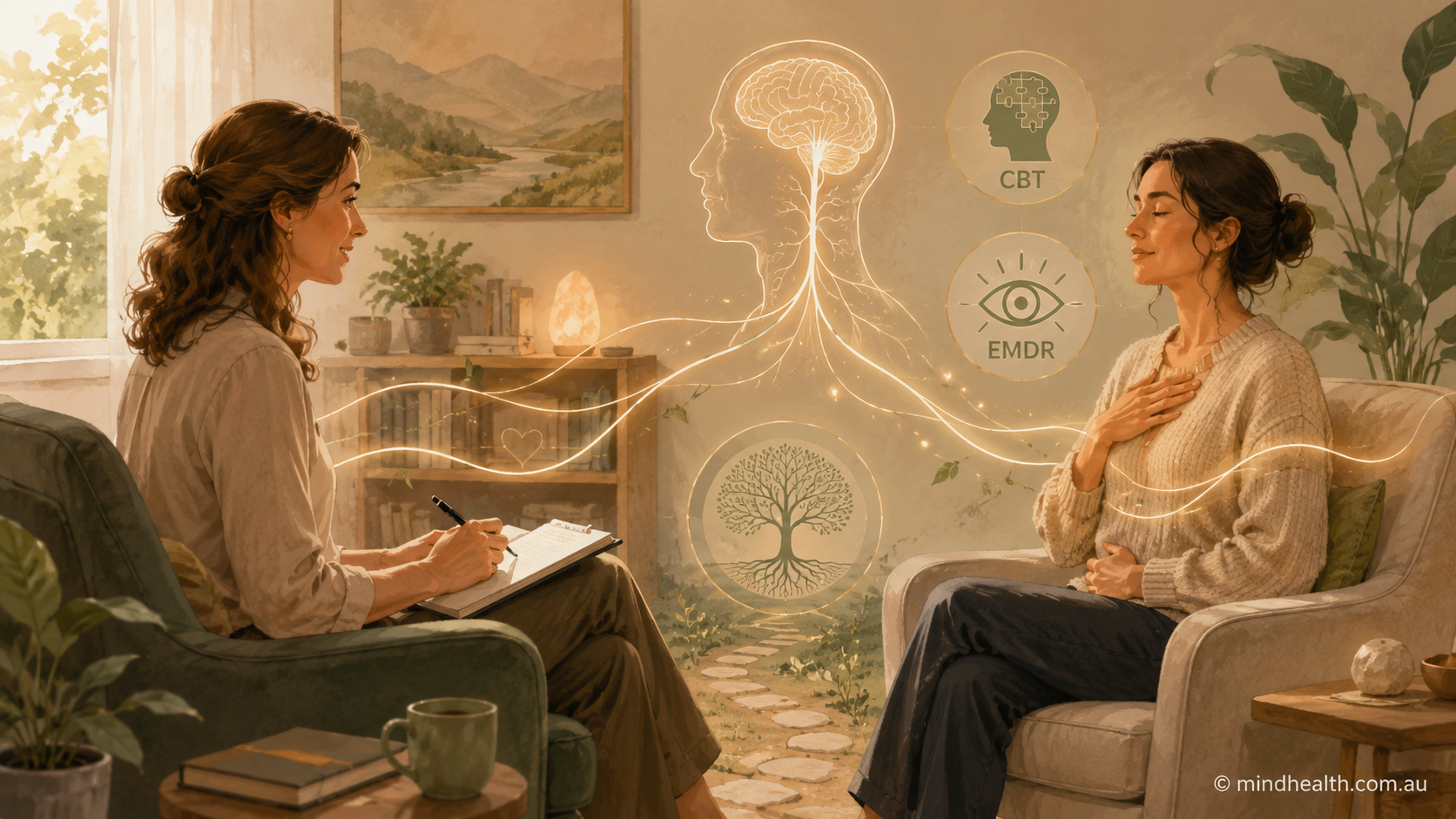
If you’re struggling with chronic stress, burnout, or trauma, learning to work with your nervous system rather than fighting against it is the first step toward healing.
Frequently Asked Questions
How long does it take for vagus nerve stimulation to work?
Techniques like cold exposure or prolonged exhalations can begin to lower your heart rate and induce a sense of calm within 60 to 90 seconds. However, building overall vagal tone for long-term resilience takes consistent daily practice over weeks or months.
Can trauma damage the vagus nerve?
Trauma doesn’t typically cause physical “damage” to the nerve itself, but it can severely disrupt its functioning. Chronic trauma can lead to a state where the sympathetic nervous system is constantly dominant, resulting in low vagal tone. Therapy can help “retrain” the nerve to recognize safety.
Is vagus nerve stimulation safe for everyone?
Generally, yes. However, techniques like the Valsalva maneuver or extreme cold exposure should be approached with caution if you have cardiovascular issues, low blood pressure, or a history of fainting. Always consult with a healthcare professional if you have underlying health conditions.
Disclaimer: This article is for informational purposes only and does not constitute medical advice. If you are experiencing severe anxiety or mental health distress, please seek professional support.
Related reading
Get Professional Support
Stress Management at Mind Health
Our psychologists use evidence-based techniques including CBT and mindfulness to help you manage stress effectively.
Medicare rebates available with a Mental Health Care Plan · Telehealth appointments Australia-wide
Helpful Australian Resources
- Beyond Blue — Support for depression, anxiety and related conditions. Call 1300 22 4636.
- Lifeline Australia — Crisis support and suicide prevention. Call 13 11 14 (24/7).
- Head to Health — Australian Government mental health gateway and digital resources.
- Black Dog Institute — Research-based resources on depression, bipolar disorder, and PTSD.
- SANE Australia — Support for people living with complex mental illness. Call 1800 187 263.