

The field of psychology has given us some of the most profound insights into what it means to be human. From understanding the depths of trauma to unlocking the secrets of happiness, the best psychology books offer readers a window into the complexities of the mind and behaviour.
As a psychologist with decades of clinical experience, I have curated a list of 40 essential psychology books that have shaped both my practice and my understanding of the human condition. These books span foundational texts, groundbreaking research, and practical guides that continue to influence how we think about mental health, relationships, and personal growth.
Whether you are a mental health professional seeking to deepen your knowledge, a student beginning your journey into psychology, or simply someone curious about the workings of the human mind, these books offer invaluable wisdom and insight.
So settle into a comfortable chair, and prepare to embark on a journey through the landscape of psychological thought, guided by some of the most brilliant minds in the field.
40 Best Psychology Books:
1. Man’s Search for Meaning by Viktor E. Frankl (1946)

Viktor Frankl’s seminal work combines his harrowing experiences as a Holocaust survivor with his groundbreaking psychological theory of logotherapy. The book explores how humans can find meaning even in the most unimaginable suffering, arguing that the primary motivational force in humans is the search for purpose. Frankl’s insights into trauma and resilience remain profoundly relevant today, offering hope that we can transcend our circumstances through finding meaning in our experiences.
2. Thinking, Fast and Slow by Daniel Kahneman (2011)

Nobel Prize-winning psychologist Daniel Kahneman presents decades of research on how we think and make decisions. He introduces the concept of two systems: System 1, which is fast, intuitive, and emotional; and System 2, which is slower, more deliberative, and logical. This book illuminates the cognitive biases that influence our judgments and decisions, making it essential reading for anyone interested in understanding why we think the way we do.
3. The Body Keeps the Score by Bessel van der Kolk (2014)

Dr. Bessel van der Kolk’s groundbreaking work revolutionises our understanding of trauma and its effects on both mind and body. Drawing on over three decades of research and clinical practice, he demonstrates how traumatic stress literally reshapes the brain and body, affecting sufferers’ capacity for pleasure, engagement, and self-control. The book explores innovative treatments including EMDR, yoga, and neurofeedback that offer new paths to recovery.
4. Influence: The Psychology of Persuasion by Robert Cialdini (1984)

Robert Cialdini’s classic work examines the psychology behind why people say “yes” and how to apply these principles ethically in everyday life. He identifies six universal principles of influence: reciprocity, commitment and consistency, social proof, authority, liking, and scarcity. This book is invaluable for understanding the psychological mechanisms that drive human compliance and decision-making in social contexts.
5. Feeling Good: The New Mood Therapy by David D. Burns (1980)

Dr. David Burns presents cognitive behavioural therapy techniques in an accessible format that has helped millions overcome depression and anxiety. The book introduces readers to cognitive distortions—the twisted thinking patterns that fuel negative emotions—and provides practical exercises for challenging and changing these patterns. This remains one of the most recommended self-help books by mental health professionals worldwide.
6. Learned Optimism by Martin Seligman (1990)

Martin Seligman, the father of positive psychology, presents his groundbreaking research showing that optimism is a skill that can be learned. Drawing on decades of research, he explains how pessimistic thinking patterns contribute to depression and underachievement, and provides practical techniques for developing a more optimistic explanatory style. This book laid the foundation for the positive psychology movement that has transformed the field.
7. Authentic Happiness by Martin Seligman (2002)

In this influential work, Martin Seligman builds on his research to present a comprehensive theory of happiness and wellbeing. He identifies three components of happiness: pleasure, engagement, and meaning, offering practical strategies for cultivating each. This book helped establish positive psychology as a legitimate field of scientific inquiry and remains essential reading for understanding the psychology of flourishing.
8. Flourish by Martin Seligman (2011)

Seligman’s most comprehensive work updates his theory of wellbeing with the PERMA model: Positive emotions, Engagement, Relationships, Meaning, and Achievement. Moving beyond happiness alone, he explores what it means to truly flourish and presents evidence-based interventions for building a more fulfilling life. This book represents the culmination of decades of research into human flourishing.
9. Emotional Intelligence by Daniel Goleman (1995)

Daniel Goleman’s groundbreaking work introduced the concept of emotional intelligence to a mainstream audience, arguing that EQ matters as much as IQ for success in life. He explores how self-awareness, self-regulation, motivation, empathy, and social skills contribute to personal and professional achievement. This book transformed how we think about intelligence and continues to influence education, leadership, and mental health practice.
10. Trauma and Recovery by Judith Herman (1992)

Dr. Judith Herman’s landmark work established the diagnosis of Complex PTSD and transformed our understanding of psychological trauma. Drawing on research with survivors of domestic violence, political terror, and childhood abuse, she presents a comprehensive framework for understanding trauma’s effects and a three-stage model of recovery. This book remains essential reading for anyone working with trauma survivors.
11. Flow: The Psychology of Optimal Experience by Mihaly Csikszentmihalyi (1990)

Mihaly Csikszentmihalyi’s research into optimal experience reveals how people find genuine satisfaction and happiness. The “flow state” occurs when we become fully absorbed in activities that challenge our skills—a state of effortless concentration that leads to deep enjoyment. This book offers insights into how we can structure our lives to experience more flow, leading to greater fulfilment and wellbeing.
12. The Man Who Mistook His Wife for a Hat by Oliver Sacks (1985)

Neurologist Oliver Sacks presents a collection of fascinating case studies that illuminate the mysteries of the human brain. Through compassionate storytelling, he explores conditions ranging from visual agnosia to amnesia, revealing how neurological differences affect perception, identity, and experience. This book demonstrates that understanding the brain’s dysfunctions helps us appreciate its remarkable normal functioning.
13. Stumbling on Happiness by Daniel Gilbert (2006)

Harvard psychologist Daniel Gilbert explores why humans are remarkably poor at predicting what will make them happy. Drawing on research in psychology, cognitive neuroscience, and behavioural economics, he reveals the systematic errors we make when imagining our future emotional states. This witty and insightful book challenges our assumptions about happiness and offers a more realistic understanding of human wellbeing.
14. Quiet: The Power of Introverts in a World That Can’t Stop Talking by Susan Cain (2012)

Susan Cain’s influential work challenges the cultural bias toward extroversion, arguing that introverts bring essential qualities to society. Drawing on research and interviews, she explores how introversion affects personality, relationships, and work, while advocating for environments that allow introverts to thrive. This book has helped millions understand and appreciate their temperament while prompting important conversations about diversity in personality.
15. Grit: The Power of Passion and Perseverance by Angela Duckworth (2016)

Psychologist Angela Duckworth presents compelling research showing that the secret to outstanding achievement is not talent but a special blend of passion and persistence she calls “grit.” Drawing on her studies of West Point cadets, National Spelling Bee contestants, and teachers in tough schools, she demonstrates that grit can be developed and that it predicts success better than IQ or talent alone.
16. Mindset: The New Psychology of Success by Carol S. Dweck (2006)

Stanford psychologist Carol Dweck’s research reveals how our beliefs about our abilities profoundly affect our success. She distinguishes between a “fixed mindset”—believing abilities are innate and unchangeable—and a “growth mindset”—believing abilities can be developed through effort and learning. This distinction has transformed education, parenting, and business, showing how we can cultivate resilience and achievement through changing our beliefs.
17. The Gift of Therapy by Irvin D. Yalom (2002)

Renowned psychiatrist and author Irvin Yalom shares his wisdom accumulated over decades of practice in this collection of reflections for new generations of therapists and their patients. His insights into the therapeutic relationship, the importance of authenticity, and the existential concerns that underlie human suffering make this essential reading for anyone interested in psychotherapy and the healing process.
18. The Road Less Traveled by M. Scott Peck (1978)

Beginning with the memorable line “Life is difficult,” psychiatrist M. Scott Peck presents a vision of personal growth that integrates psychology and spirituality. He explores the nature of loving relationships, the importance of discipline, and the role of grace in psychological development. This book spent over a decade on bestseller lists and has helped millions navigate the challenges of personal growth.
19. Games People Play by Eric Berne (1964)

Eric Berne’s groundbreaking work introduced transactional analysis to a popular audience, exploring the “games” people play in their interactions with others. By identifying these patterns—such as “Why Don’t You – Yes But” and “Now I’ve Got You”—readers can understand the hidden dynamics in their relationships and choose more authentic ways of connecting. This book remains remarkably relevant for understanding interpersonal behaviour.
20. On Becoming a Person by Carl Rogers (1961)

Carl Rogers, the founder of person-centred therapy, presents his humanistic approach to psychology and the helping relationship. He explores the conditions necessary for personal growth—unconditional positive regard, empathy, and congruence—that have become foundational to modern counselling practice. This book offers profound insights into what it means to become more fully oneself and to help others do the same.
21. Attached: The New Science of Adult Attachment by Amir Levine and Rachel Heller (2010)

This accessible guide to attachment theory in adult relationships helps readers understand their attachment style—secure, anxious, or avoidant—and how it affects their romantic relationships. By recognising these patterns, readers can work toward more secure and satisfying partnerships. This book brings valuable research to a practical level that can genuinely improve relationships.
22. Hold Me Tight by Dr. Sue Johnson (2008)

Dr. Sue Johnson, the developer of Emotionally Focused Therapy (EFT), presents her revolutionary approach to couples therapy. She explains how the emotional bonds between partners form the foundation of relationship health, and provides seven conversations that can help couples strengthen their connection. This book offers hope for troubled relationships and guidance for maintaining healthy ones.
23. Daring Greatly by Brené Brown (2012)

Research professor Brené Brown challenges the myth that vulnerability is weakness, arguing instead that it is the birthplace of innovation, creativity, and change. Drawing on twelve years of research, she explores how embracing vulnerability can transform the way we live, love, parent, and lead. This book has sparked a global conversation about courage, shame, and authenticity.
24. The Gifts of Imperfection by Brené Brown (2010)

Brené Brown presents ten guideposts for wholehearted living, exploring how we can cultivate courage, compassion, and connection by letting go of perfectionism and embracing our authentic selves. Based on her extensive research into shame and vulnerability, this book offers a roadmap for developing greater self-esteem and living more fully.
25. Predictably Irrational by Dan Ariely (2008)

Behavioural economist Dan Ariely presents fascinating research showing that human beings are not the rational creatures we assume ourselves to be. Through clever experiments, he reveals the hidden forces that shape our decisions—from how we value things to how we procrastinate. Understanding our irrational tendencies can help us make better decisions and design environments that work with, rather than against, our nature.
26. Drive: The Surprising Truth About What Motivates Us by Daniel H. Pink (2009)

Daniel Pink synthesises research on motivation to argue that the traditional carrot-and-stick approach is outdated. He presents a new framework based on three elements: autonomy, mastery, and purpose. This book challenges assumptions about what drives human behaviour and offers practical insights for anyone seeking to understand motivation in themselves and others.
27. The Happiness Hypothesis by Jonathan Haidt (2006)

Social psychologist Jonathan Haidt examines ancient wisdom through the lens of modern psychology, testing whether timeless ideas about happiness hold up to scientific scrutiny. From the metaphor of the rider and the elephant (our rational and emotional minds) to the importance of relationships and meaning, this book offers a sophisticated understanding of what contributes to human flourishing.
28. Outliers: The Story of Success by Malcolm Gladwell (2008)

Malcolm Gladwell challenges our understanding of success, arguing that individual merit tells only part of the story. Through compelling narratives, he explores how factors like timing, cultural legacy, and accumulated advantage contribute to exceptional achievement. The book’s insights about the “10,000-hour rule” and the importance of opportunity have sparked important conversations about talent, effort, and circumstances.
29. When the Body Says No by Gabor Maté (2003)

Dr. Gabor Maté explores the connection between psychological stress and physical illness, arguing that emotional patterns learned in childhood can contribute to disease later in life. Drawing on extensive medical research and moving patient stories, he reveals how chronic stress, repressed emotions, and unhealthy coping patterns can manifest in conditions from cancer to autoimmune disorders. This book highlights the importance of addressing emotional health for physical wellbeing.
30. Lost Connections by Johann Hari (2018)

Johann Hari presents a compelling case that depression and anxiety are largely caused by key problems in the way we live today. Moving beyond the purely biological model, he identifies nine causes of depression—from disconnection from meaningful work to disconnection from nature—and offers seven potential solutions. This thought-provoking book challenges conventional wisdom about mental illness and its treatment.
31. The Drama of the Gifted Child by Alice Miller (1979)

Psychoanalyst Alice Miller explores how emotionally sensitive children adapt to meet their parents’ needs at the expense of their own authentic development. This profound book illuminates how childhood emotional neglect shapes adult depression, perfectionism, and difficulty experiencing genuine feelings. Miller’s insights into the lasting effects of early emotional environments remain remarkably relevant for understanding ourselves and our clients.
32. Why Zebras Don’t Get Ulcers by Robert Sapolsky (1994)

Stanford neuroscientist Robert Sapolsky offers a witty and accessible guide to understanding stress and its effects on the body. He explains why humans, unlike other animals, suffer from stress-related diseases and explores the physiological mechanisms that link chronic stress to illness. This book is essential reading for understanding the mind-body connection.
33. Man and His Symbols by Carl Jung (1964)

Carl Jung’s final work presents his theories on the unconscious, archetypes, and the symbolic language of dreams in accessible terms. Richly illustrated and co-authored with several of his close colleagues, this book introduces readers to Jungian concepts that continue to influence psychology, art, literature, and our understanding of the human psyche.
34. The Interpretation of Dreams by Sigmund Freud (1899)

Sigmund Freud’s foundational text revolutionised our understanding of the unconscious mind. While many of Freud’s specific theories have been superseded, this work remains historically significant for introducing concepts like dream symbolism, wish fulfilment, and the importance of the unconscious in shaping behaviour. Understanding Freud provides essential context for appreciating how modern psychology developed.
35. The Art of Loving by Erich Fromm (1956)

Psychoanalyst and social philosopher Erich Fromm presents love not as a sentiment but as an art that requires knowledge and effort. He explores different forms of love—romantic, parental, brotherly, and self-love—and argues that the ability to love is fundamental to psychological health. This classic work offers profound insights into the nature of human connection and the conditions necessary for love to flourish.
36. The Psychopath Test by Jon Ronson (2011)

Journalist Jon Ronson embarks on a fascinating journey through the world of psychiatry, exploring how mental illness is diagnosed and what it means to be labelled a psychopath. Through interviews with patients, psychiatrists, and even corporate executives, he raises important questions about the nature of mental illness and the consequences of diagnosis. This thought-provoking book challenges our assumptions about normalcy and madness.
37. The Blank Slate by Steven Pinker (2002)

Cognitive scientist Steven Pinker challenges the notion that humans are born as “blank slates” shaped entirely by environment. Drawing on genetics, neuroscience, and evolutionary psychology, he argues that human nature includes innate traits and tendencies. This controversial but carefully argued book prompts important reflection on the nature-nurture debate and its implications for understanding human behaviour.
38. The Lucifer Effect by Philip Zimbardo (2007)

Philip Zimbardo, the psychologist behind the infamous Stanford Prison Experiment, examines how good people can be induced to act in evil ways. He explores the situational and systemic forces that can transform ordinary individuals into perpetrators of harm, from the Abu Ghraib prison abuse to everyday workplace cruelty. Understanding these forces, he argues, is essential for preventing such transformations.
39. The Six Pillars of Self-Esteem by Nathaniel Branden (1994)

Psychologist Nathaniel Branden presents his comprehensive theory of self-esteem, identifying six practices that are essential for building and maintaining healthy self-regard: living consciously, self-acceptance, self-responsibility, self-assertiveness, living purposefully, and personal integrity. This book provides a practical framework for developing the foundation of psychological wellbeing.
40. Atomic Habits by James Clear (2018)
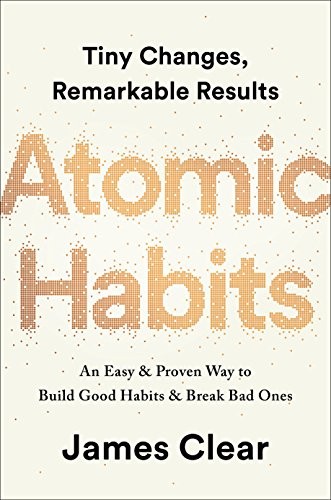
James Clear presents a practical and research-backed framework for building good habits and breaking bad ones. Drawing on psychology, neuroscience, and his own experience, he explains how tiny changes in behaviour can compound over time to produce remarkable results. This book offers actionable strategies for anyone seeking to make lasting changes in their lives, with clear relevance for understanding behaviour change in clinical contexts.
Conclusion
As we conclude this exploration of 40 remarkable psychology books, it becomes clear that the study of the human mind is a rich and ever-evolving field. Each of these works, in its own unique way, contributes to our understanding of why we think, feel, and behave as we do. From the foundational insights of Freud and Jung to the contemporary research of Seligman, Kahneman, and Duckworth, the best psychology books form a tapestry of knowledge that illuminates the human experience.
For mental health professionals, these books offer deeper understanding of the theories and research that inform evidence-based practice. For students of psychology, they provide essential reading that will shape your understanding of the field. And for anyone curious about the workings of the human mind, they offer profound insights into what it means to be human.
Whether you are seeking to understand trauma and its effects, improve your relationships, overcome anxiety or depression, build greater resilience, or simply gain greater insight into your own patterns of thought and behaviour, these books offer guidance and wisdom.
Let this list serve as an invitation to continue your exploration of psychology through reading. Each book opens new windows onto the human condition, offering the opportunity for greater self-awareness, empathy for others, and understanding of the complex forces that shape our lives. In the pages of these works, you will find not just knowledge, but also the tools for personal growth and transformation.
Note: This article contains affiliate links. Mind Health may earn a small commission from purchases made through these links, at no additional cost to you. All recommendations are based on genuine professional assessment of their value to readers.
Frequently Asked Questions
What are the best psychology books for beginners?
Great starting points include “Thinking, Fast and Slow” by Daniel Kahneman for understanding cognitive biases, “The Body Keeps the Score” by Bessel van der Kolk for trauma, and “Feeling Good” by David Burns for an introduction to CBT principles.
Can reading psychology books replace therapy?
While psychology books offer valuable insights and self-help techniques, they cannot replace professional therapy. Books provide general knowledge, whereas a psychologist tailors strategies to your specific situation, provides accountability, and can address complex issues that self-help alone cannot resolve.
What psychology books do therapists recommend most?
Therapists frequently recommend books on mindfulness, emotional intelligence, attachment theory, and habit formation. The best book depends on what you are working through — ask your psychologist for a personalised recommendation during your next session.

Get Professional Support
Talk to a Psychologist at Mind Health
If you're struggling with your mental health, our experienced psychologists are here to help.
Medicare rebates available with a Mental Health Care Plan · Telehealth appointments Australia-wide
Helpful Australian Resources
- Beyond Blue — Support for depression, anxiety and related conditions. Call 1300 22 4636.
- Lifeline Australia — Crisis support and suicide prevention. Call 13 11 14 (24/7).
- Head to Health — Australian Government mental health gateway and digital resources.
- Black Dog Institute — Research-based resources on depression, bipolar disorder, and PTSD.
- SANE Australia — Support for people living with complex mental illness. Call 1800 187 263.