 The referral pathways guide



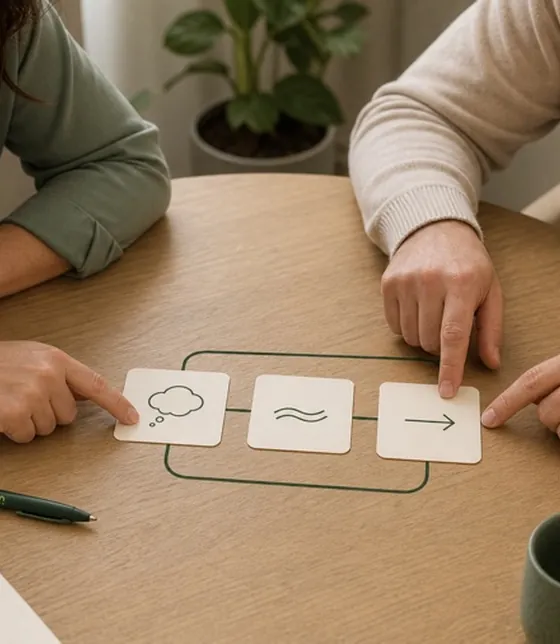 Read with intention













 Meet the clinicians
Panic attacks, understood.
A panic attack is a sudden rush of fear that can feel like a heart attack or losing control. It is frightening but not harmful, and psychology can help you respond differently.
A false alarm, at full volume.
Panic is the body's alarm system going off when there is no danger. Common signs include:
Racing heart and breath
A pounding heart, a tight chest, shortness of breath or a feeling of choking.
Dizziness and tingling
Feeling light-headed, shaky, hot or cold, or tingling in the hands and face.
Fear of what is happening
A sense that something terrible is about to happen, of losing control, or of things feeling unreal.
Avoiding places
Staying away from places where an attack happened before, or where help feels far away.
- A body sensationA racing heart, dizziness or a tight chest.
- A frightening thought"Something is wrong. I am losing control."
- Fear risesAdrenaline makes the sensations stronger.
- Escape or avoidRelief now, and more fear of the next attack.
Breaking the cycle.
- Learning how panic works, and why the body reacts the way it does
- Noticing the thoughts that turn a body sensation into alarm, and testing them
- Gradually facing sensations and places you have been avoiding, at a pace you agree
- Breathing and grounding skills for the moment itself
Cognitive behaviour therapy (CBT) for panic is the approach our clinicians most often use. See CBT and anxiety.
How it usually runs.
Sessions are 50 minutes, in Parramatta or by telehealth.
- 1
Understanding your panic
Your psychologist asks when attacks happen and what you do to cope, then explains the panic cycle.
Early sessions - 2
Trying things differently
Step by step, you practise staying with sensations and situations without the usual escape.
The sessions that follow - 3
Practice between sessions
Short exercises to try at home, which you go through together at the next session.
Ongoing

Clinicians who can help.
These clinicians list panic attacks among their areas of practice.

Bülent Ada
Principal Psychologist & Director
English · Turkish

Sijal Ansari
Clinical Psychologist
English · Hindi · Urdu
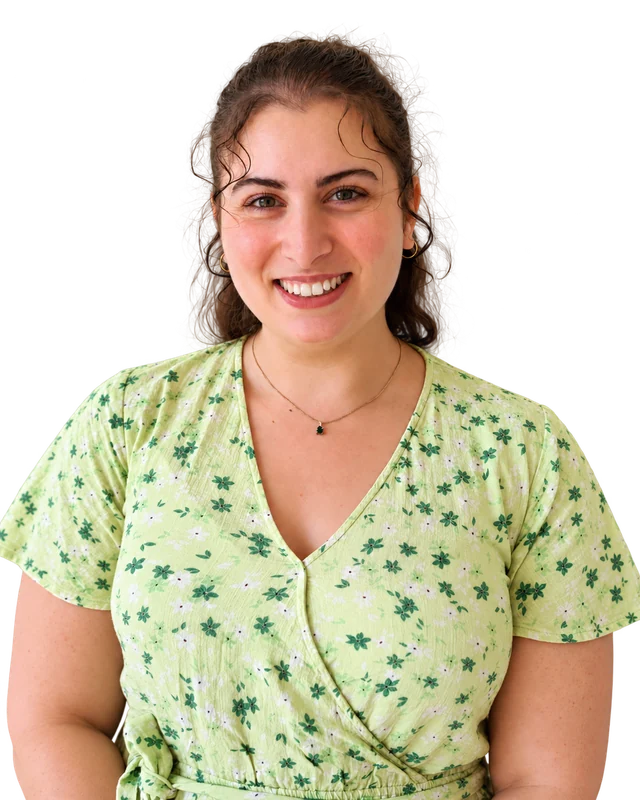
Taline Bardakjian
Consultant Psychologist
English

Mohan Shankarappa
Clinical Psychologist
English · Hindi · Kannada

Michael L. T. Cheung
Consultant Psychologist
English · Cantonese · Mandarin

Irfan Yigit
Senior Consultant Psychologist
English · Turkish
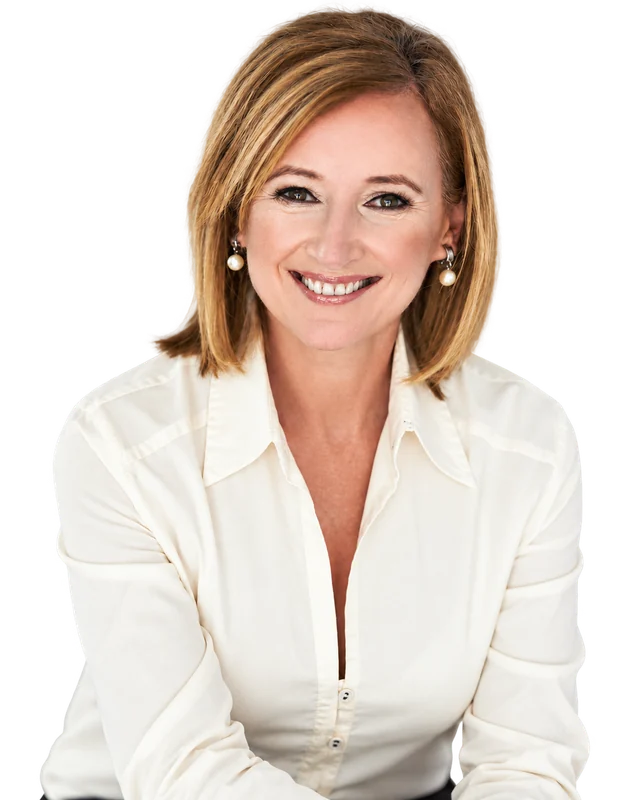
Annette Haggerty
Consultant Psychologist
English
Fees and other options.
With a Mental Health Treatment Plan from your GP, Medicare pays a rebate for each individual session and there is usually a gap. Our fees are set out before you book.
Check in with yourself.
Free, private tools to try before or alongside sessions. They are not a diagnosis.
Free · 5 to 10 min
Take the Mind Health Check
Short questionnaires, scored privately in your browser. We have ticked the ones most related to this page, and you can change them.
Fact sheet: Managing panic
A plain-language guide with practical steps. Free to download.
Try this week
- Practise slow breathing for two minutes a day while you are calm, so it is familiar when you need it.
- When panic rises, name it: "This is a panic attack. It will pass."
- Notice one place you have started avoiding, and write it down for your next session.
Need help now? Our urgent help page has who to call, day and night.
Before you book, answered.
What is a panic attack?
What is panic disorder?
Can a panic attack hurt me?
Should I see a doctor first?
When should I seek help?
How long does treatment take?
Do I need a referral?
Can I have sessions by telehealth?

Take the first step, at your pace.
Tell us a little about what is going on. We will suggest a clinician and a time.
