 The referral pathways guide



 Read with intention













 Meet the clinicians
How to sleep better: 12 science-backed tips for the best snooze

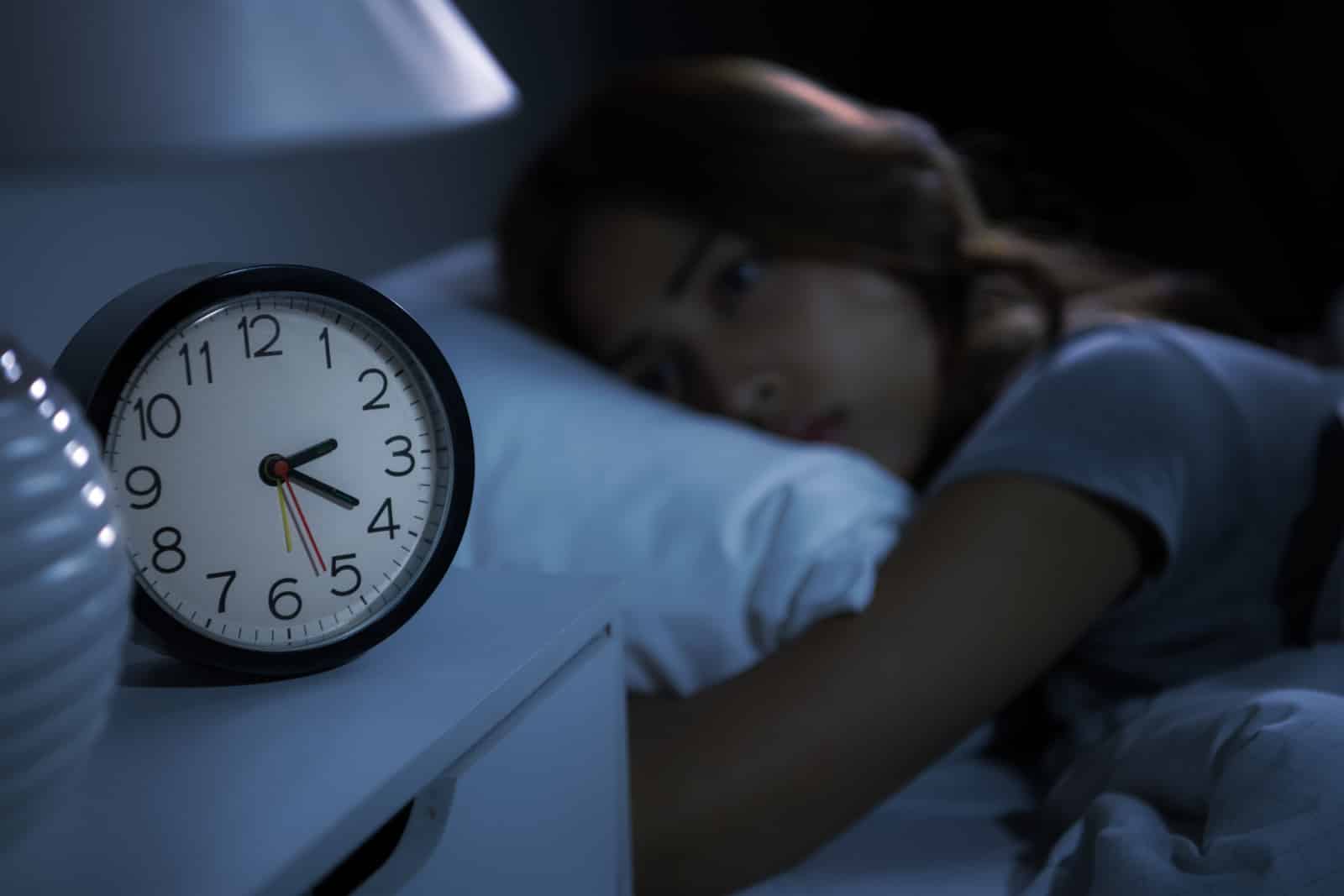
Knowing how to sleep better is one of the most impactful things you can do for your physical health, mental clarity, and emotional wellbeing. Despite its importance, many people struggle to fall asleep, stay asleep, or wake up genuinely refreshed. If poor sleep is affecting your quality of life, the following 12 science-backed strategies will help you improve your sleep quality, starting tonight.
Key takeaways
- Sleeping better is about improving sleep quality, including time spent in deep and REM sleep, and not only about sleeping longer.
- Common causes of poor sleep include stress, irregular schedules, screen exposure before bed, and underlying conditions such as anxiety or sleep apnoea.
- Going to bed and waking at the same time every day, a calming bedtime routine, and a dark, quiet, cool bedroom can make sleep easier.
- Avoiding screens for at least an hour before bed, limiting caffeine and alcohol close to bedtime, and keeping any naps to 20 to 30 minutes can also help.
- If you consistently struggle with insomnia, CBT-I can help change thoughts and behaviours that interfere with sleep, and a healthcare professional can check for underlying medical conditions.
How to sleep better: why it starts with understanding sleep
Before diving into specific tips, it helps to understand what drives poor sleep. Common causes include stress, irregular schedules, screen exposure before bed, and underlying conditions such as anxiety or sleep apnoea. Learning how to sleep better is not just about sleeping longer. It is about improving sleep quality, including the time you spend in deep and REM sleep stages. The strategies below address each of these factors systematically.
1. Stick to a consistent sleep schedule
Going to bed and waking up at the same time every day, even on weekends, helps regulate your body’s internal clock, making it easier to fall asleep and wake up naturally1.
2. Create a relaxing bedtime routine
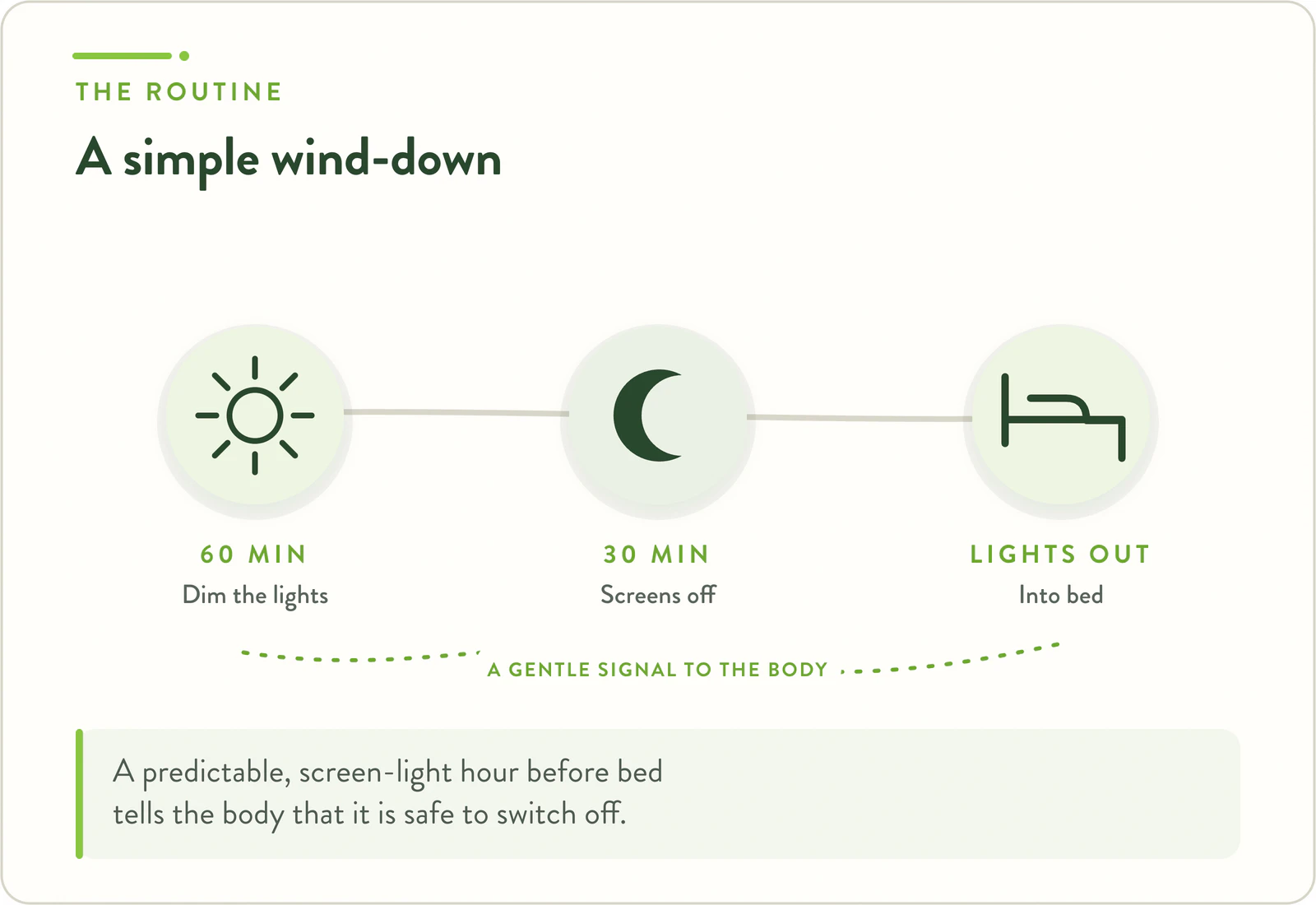
Develop a calming pre-sleep routine, such as taking a warm bath, reading a book, or practising relaxation techniques like deep breathing or meditation, to signal to your body that it’s time to wind down2.
3. Optimise your sleep environment
Ensure your bedroom is dark, quiet, and cool, with a comfortable mattress and pillows. Consider using blackout curtains, earplugs, or a white noise machine to minimise distractions3.
A cool room matters even more over an Australian summer, because hot nights break up sleep and broken sleep is one of the main ways heat affects mood. Our article on heat and mental health has practical ways to sleep better on hot nights.
4. Limit screen time before bed
The blue light emitted by electronic devices can interfere with your body’s production of the sleep hormone melatonin. Avoid using smartphones, tablets, or computers for at least an hour before bedtime4.
5. Get regular exercise
Engaging in regular physical activity can improve sleep quality and duration. Evening exercise is generally fine, but avoid vigorous exercise in the hour before bed (Stutz et al., 2019).
6. Manage stress and anxiety
Stress and anxiety can make it difficult to fall asleep and stay asleep. Practice stress-management techniques like mindfulness, journaling, or talking to a therapist to help calm your mind before bed6.
7. Avoid caffeine and alcohol close to bedtime
Caffeine is a stimulant that can stay in your system for hours, making it harder to fall asleep. Similarly, while alcohol may initially make you feel drowsy, it can disrupt sleep later in the night. Limit consumption of both in the hours leading up to bedtime7.
8. Expose yourself to natural light during the day
Sunlight exposure during the day helps regulate your body’s circadian rhythm, making it easier to feel alert during the day and sleepy at night8.
9. Don’t stay in bed if you can’t sleep
If you find yourself tossing and turning, get out of bed and engage in a calming activity, like reading or listening to soothing music, until you feel sleepy. This helps associate your bed with sleep, rather than frustration9.
10. Be mindful of napping
While short power naps can be beneficial, long or late afternoon naps can interfere with nighttime sleep. If you must nap, keep it short (20-30 minutes) and avoid napping late in the day10.
11. Maintain a healthy diet
A balanced diet rich in fruits, vegetables, whole grains, and lean proteins can promote better sleep. Avoid heavy, spicy, or sugary foods close to bedtime, as they may cause discomfort or indigestion11.
12. Consider CBT-I: A well-researched approach to better sleep long-term
If you consistently struggle with insomnia, CBT-I, a form of psychotherapy, can help you identify and change thoughts and behaviours that interfere with sleep12.
Implementing these science-backed strategies can significantly improve your sleep quality, leading to better overall health and wellbeing. Remember, everyone is different, so it may take some experimentation to find the combination of techniques that work best for you. If sleep problems persist, consult with a healthcare professional to rule out underlying medical conditions.
Sleep resources
- Insomnia Treatment at Mind Health
- National Sleep Foundation
- Sleep Health Foundation (Australia)
- American Academy of Sleep Medicine
References
- Cappuccio, F. P., D’Elia, L., Strazzullo, P., & Miller, M. A. (2010). Sleep duration and all-cause mortality: a systematic review and meta-analysis of prospective studies. Sleep, 33(5), 585-592. https://doi.org/10.1093/sleep/33.5.585
- Irish, L. A., Kline, C. E., Gunn, H. E., Buysse, D. J., & Hall, M. H. (2015). The role of sleep hygiene in promoting public health: A review of empirical evidence. Sleep Medicine Reviews, 22, 23-36. https://doi.org/10.1016/j.smrv.2014.10.001
- Caddick, Z. A., Gregory, K., Arsintescu, L., & Flynn-Evans, E. E. (2018). A review of the environmental parameters necessary for an optimal sleep environment. Building and Environment, 132, 11-20. https://doi.org/10.1016/j.buildenv.2018.01.020
- Shechter, A., Kim, E. W., St-Onge, M. P., & Westwood, A. J. (2018). Blocking nocturnal blue light for insomnia: A randomized controlled trial. Journal of Psychiatric Research, 96, 196-202. https://doi.org/10.1016/j.jpsychires.2017.10.015
- Kredlow, M. A., Capozzoli, M. C., Hearon, B. A., Calkins, A. W., & Otto, M. W. (2015). The effects of physical activity on sleep: a meta-analytic review. Journal of Behavioral Medicine, 38(3), 427-449. https://doi.org/10.1007/s10865-015-9617-6
- Morin, C. M., Rodrigue, S., & Ivers, H. (2003). Role of stress, arousal, and coping skills in primary insomnia. Psychosomatic Medicine, 65(2), 259-267. https://doi.org/10.1097/01.psy.0000030391.09558.a3
- Drake, C., Roehrs, T., Shambroom, J., & Roth, T. (2013). Caffeine effects on sleep taken 0, 3, or 6 hours before going to bed. Journal of Clinical Sleep Medicine, 9(11), 1195-1200. https://doi.org/10.5664/jcsm.3170
- Figueiro, M. G., Steverson, B., Heerwagen, J., Kampschroer, K., Hunter, C. M., Gonzales, K., … & Rea, M. S. (2017). The impact of daytime light exposures on sleep and mood in office workers. Sleep Health, 3(3), 204-215. https://doi.org/10.1016/j.sleh.2017.03.005
- Lichstein, K. L., Taylor, D. J., McCrae, C. S., & Thomas, S. J. (2010). Insomnia: epidemiology and risk factors. In M. H. Kryger, T. Roth, & W. C. Dement (Eds.), Principles and practice of sleep medicine (5th ed., pp. 827-838). Elsevier.
- Dhand, R., & Sohal, H. (2006). Good sleep, bad sleep! The role of daytime naps in healthy adults. Current Opinion in Pulmonary Medicine, 12(6), 379-382. https://doi.org/10.1097/01.mcp.0000245703.92311.d0
- St-Onge, M. P., Mikic, A., & Pietrolungo, C. E. (2016). Effects of diet on sleep quality. Advances in Nutrition, 7(5), 938-949. https://doi.org/10.3945/an.116.012336
- Trauer, J. M., Qian, M. Y., Doyle, J. S., Rajaratnam, S. M., & Cunnington, D. (2015). Cognitive behavioral therapy for chronic insomnia: a systematic review and meta-analysis. Annals of Internal Medicine, 163(3), 191-204. https://doi.org/10.7326/M14-2841
Frequently asked questions about sleep
How much sleep do adults need each night?
Most adults need 7 to 9 hours of quality sleep per night. However, the ideal amount varies by individual. The key indicator is how you feel during the day: if you are consistently fatigued, struggling with concentration, or relying on caffeine, you may not be getting enough restorative sleep.
Can anxiety cause insomnia?
Yes. Anxiety is one of the most common causes of insomnia. Racing thoughts, worry, and heightened physiological arousal make it difficult to fall asleep and stay asleep. Techniques like nervous system regulation and structured wind-down routines can help break the anxiety-insomnia cycle.
When should I see a psychologist for sleep problems?
If your sleep difficulties persist for more than a month, affect your daytime functioning, or are accompanied by significant mood changes, it is worth seeking professional help. Cognitive Behavioural Therapy for Insomnia (CBT-I) is the gold-standard treatment and is more effective long-term than medication. Learn more about what to expect in a session.
More on wellbeing & self.
 Wellbeing & Self
Heat and mental health: Why hot days and nights affect your mood, and what helps
Hot days and hot nights can wear down mood, patience, focus and sleep. Here is why it happens,…
Mind Health team12 min Wellbeing & Self
Chronic pain and mental health: How psychology helps with persistent pain
How persistent pain, stress, sleep and mood affect each other, what pain psychology involves, and how to get…
Mind Health team12 min Wellbeing & Self
Men’s mental health: how to start the conversation with your GP
A practical guide for men who haven't felt like themselves: what to say to your GP, what can…
Mind Health team4 min
Your next step starts here.
Tell us what's going on and we'll match you with the right psychologist, usually after a free triage. No referral needed to begin.
