 The referral pathways guide



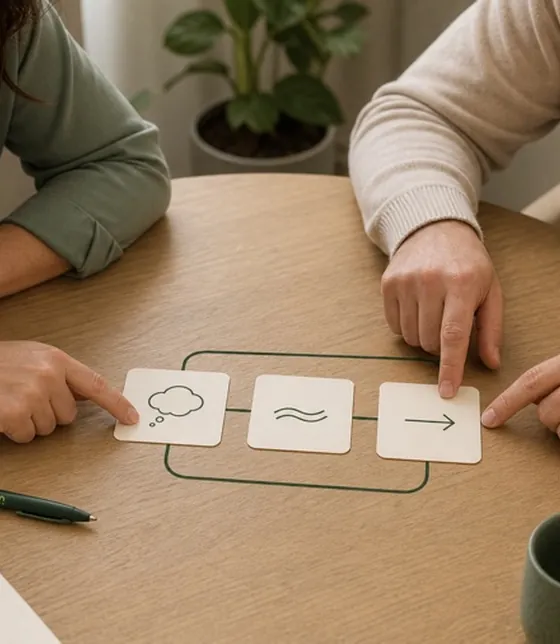 Read with intention













 Meet the clinicians

Adaptive behaviour testing
What does everyday functioning look like, in practice?
What it covers
- Everyday skills: communication, self-care, home and community living, and social skills
- Questionnaires or interviews with the person and someone who knows them well, such as a parent, carer or teacher
- Results compared with others the same age, for NDIS, DSP or school planning
Who it is for: From 6, often alongside an IQ assessment for NDIS or DSP
Instruments
- ABAS-3
- Vineland-3


How it works
We confirm the question and who it is for. Then come the assessment appointments, sometimes over more than one visit. You receive a written report and a feedback session to talk it through.
Time: About 3 hours of assessment time, confirmed in your written quote before anything is booked.
Fees and funding
- Fee
- See fees
- Clinician time
- 3 hours, including scoring and the report
- Ages
- 6+
Every assessment includes the clinical interview, standardised testing, scoring, a written report and a feedback session. Complex presentations may need additional time; we confirm the hours and the report timing with you before anything is booked.
Assessment is a private-fee service. Medicare's Better Access items cover therapy sessions, not assessment. Medicare's rebate for psychological assessment is narrow: item 82000, for people under 25 with a complex neurodevelopmental disorder or eligible disability, on referral from a paediatrician or psychiatrist (for an eligible disability, a GP or another specialist can also refer), in person or by telehealth. NDIS, DVA and insurer-funded assessments are accepted.
How long until I get the report?
We confirm timing when you book. Complex assessments can take longer.
Related assessments
Enquire about adaptive behaviour testing
Tell us what you need and we will confirm the right assessment, or the right combination, and quote in writing before anything is booked.